
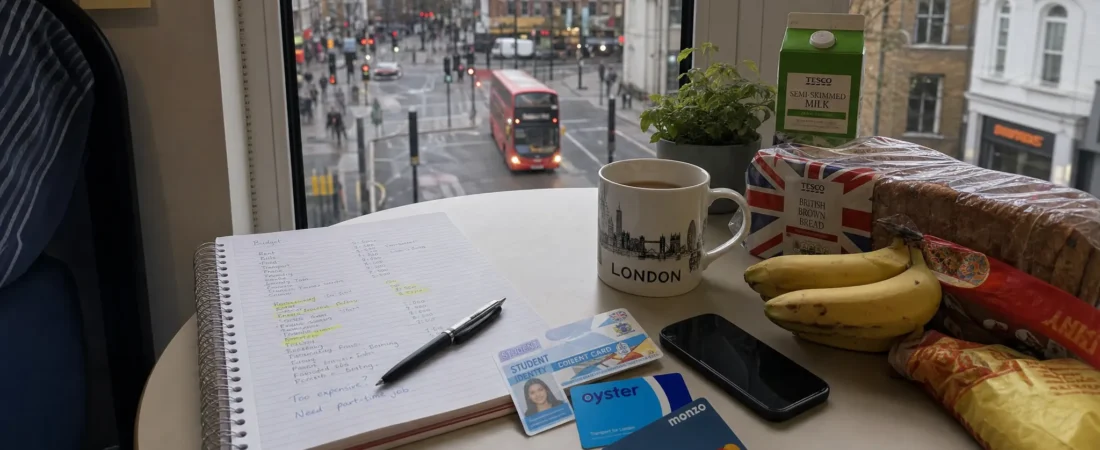
Before moving here, I imagined London in scenes: red buses, rainy windows, busy Tube platforms, coffee before lectures, and weekend walks along the Thames. All of that exists. But international student life in London is also quieter, messier, and more emotional than the photos suggest.
It feels like being excited and overwhelmed in the same hour. It feels like checking your bank balance before saying yes to dinner. It feels like missing home while slowly becoming proud of the version of yourself who can figure things out alone.
If you are planning to study here, or you have just arrived and are wondering whether everyone else is coping better than you, this is what London student life really feels like behind the highlight reel.
The first few weeks feel like life admin with a suitcase
The beginning is not just sightseeing and fresh notebooks. It is forms, queues, logins, passwords, appointments, SIM cards, bank accounts, university ID cards, flat keys, and trying to understand which train platform you need while dragging luggage through a station.
The emotional part is harder to explain. You can be grateful to be here and still feel completely lost. You can love your university campus and still cry in your room because you cannot find the right brand of food, your family is in a different time zone, and every small task takes more energy than expected.
Practical things come at you quickly. You may need to register with a GP, understand your student visa conditions, set up an eVisa or UKVI account, learn how your tenancy works, and figure out whether you qualify for student discounts. For official guidance, it is always better to check sources like UKCISA and GOV.UK student visa information instead of relying only on social media advice.
The first lesson London teaches you is simple: being independent is not one big confident moment. It is a hundred tiny tasks you do while pretending you know what you are doing.
Your world gets smaller before it gets bigger
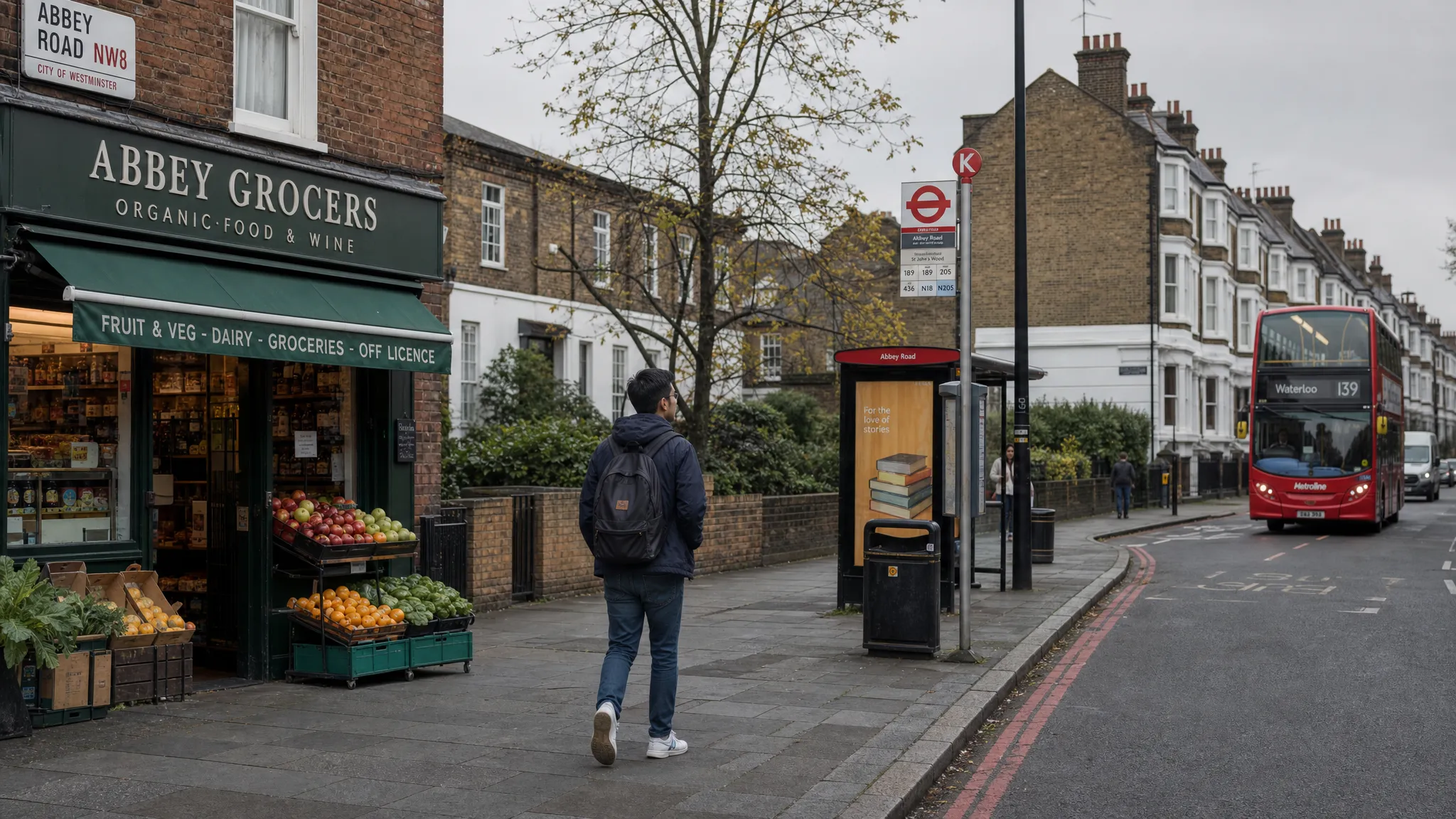
People think moving to London means instantly living in the whole city. In reality, your first London is usually very small. It is your room, your campus, your nearest supermarket, one bus stop, one Tube line, and maybe the cheapest place near you that sells a decent meal.
At first, even going somewhere new can feel like a project. You check the route three times. You worry about missing the last train. You learn that “20 minutes away” can mean something very different depending on delays, walking distance, and how tired you are.
Then slowly, your map expands. You discover a park where you can clear your head. You find a grocery store that sells ingredients from home. You learn which bus is better than the Tube because you can actually see the city from the window. One day, without noticing it, you stop feeling like a visitor and start having opinions about neighborhoods.
That is when London begins to feel less like a postcard and more like a place you are building a life in.
Money is always in the background
It is impossible to talk honestly about international student life in London without talking about money. London is expensive, and even when you budget well, the cost of living shapes daily decisions.
Rent is usually the biggest pressure. Transport, groceries, laundry, phone plans, course materials, social plans, and emergency expenses add up quickly. The official Student visa money guidance is useful for understanding visa requirements, but your real monthly spending depends on your rent, location, lifestyle, and how often you eat out.
The strange thing is that money does not only affect your wallet. It affects your mood. You may want to join every plan, but sometimes you choose to stay in because you already spent too much that week. You may feel guilty converting pounds into your home currency. You may compare yourself with students who seem relaxed about spending, then forget that everyone’s financial situation is different.
London does have ways to make student life cheaper, but you have to look for them. Student discounts, meal deals, second-hand items, free museums, local markets, library study spaces, and walking instead of taking transport can make a real difference. If you are eligible, the 18+ Student Oyster photocard can help reduce some travel costs.
Here is what the money side often feels like in real life:
| Part of student life | What it looks like | What it feels like | What helps |
|---|---|---|---|
| Rent | Paying a large amount every month | Pressure before anything else begins | Compare areas, commute times, and bills before signing |
| Transport | Topping up, using Oyster or contactless, checking routes | Small costs that add up quietly | Walk when safe, use buses, check student travel options |
| Food | Cooking, meal deals, occasional takeaways | Comfort and stress at the same time | Meal prep, shared groceries, affordable local shops |
| Social life | Cafes, pubs, events, day trips | Fear of missing out if you say no | Suggest low-cost plans like walks, parks, or home dinners |
| Emergencies | Deposits, repairs, lost cards, health needs | Anxiety because they are unpredictable | Keep a small buffer if possible |
Budgeting in London is not about never enjoying yourself. It is about choosing what is worth it to you, so you can enjoy the city without constantly feeling out of control.
University feels independent, sometimes too independent
Studying in London can feel very different from what many international students are used to. Depending on your course, you may have fewer contact hours than expected, more independent reading, and assessments that require critical thinking rather than memorization.
No one may chase you to attend every lecture or remind you about every reading. That freedom sounds exciting until you realize it also means you are responsible for your own structure. You have to learn when to study, how to use feedback, how to ask questions, and how to approach professors or tutors when you are confused.
The classroom itself can also feel different. Students may openly disagree, debate, or casually call lecturers by their first names. Group work can be wonderful, but it can also be frustrating when schedules, accents, expectations, and working styles all collide.
If you feel behind in the first term, it does not mean you are not capable. It usually means you are adjusting to a new academic culture. Use office hours, writing centers, library workshops, and course forums early. Waiting until you are overwhelmed makes everything harder.
Accommodation can shape your entire London mood
Your room matters more than you think. In London, accommodation is not just where you sleep. It affects your commute, your spending, your friendships, your study routine, and your mental health.
Student halls can make it easier to meet people, but they may be expensive or noisy. Private rentals can give you more independence, but they come with contracts, deposits, bills, housemate dynamics, and sometimes long commutes. A cheaper room far away may save money but cost you hours every week. A central room may be convenient but leave you with less breathing space in your budget.
There are also small realities that no brochure emphasizes enough: heating, damp, laundry, shared kitchens, fridge space, fire alarms, thin walls, and the awkwardness of asking housemates to clean up. These things sound minor until you are tired after class and just want to make dinner in peace.
If you are a full-time student, you may be eligible for council tax exemption depending on your circumstances. Check the official council tax student guidance and confirm with your university or local council.
A good room will not solve everything, but a stressful living situation can make everything else feel heavier. Choose carefully, ask questions, and do not ignore red flags because you feel desperate.
Making friends is easy in theory and awkward in reality
London is full of people from everywhere, which sounds perfect for making friends. And in many ways, it is. You will meet people with different accents, foods, stories, religions, music tastes, and career dreams. Some conversations will make the world feel bigger in the best way.
But friendship here can also feel strangely slow. Everyone is busy. People commute from different parts of the city. Some students already have communities from home. Others are working part-time, managing deadlines, or quietly dealing with homesickness. You may meet many people but still feel lonely because the friendships are not deep yet.
The awkward part is that making friends as an adult requires effort. You have to invite people first. You have to message again. You have to go to a society event even when you are nervous. You have to accept that not every coffee plan becomes a close friendship.
The best friendships often come from repeated small moments rather than one dramatic connection: sitting next to the same person in class, cooking together, taking the same bus, complaining about the same assignment, or sharing food from home.
Food becomes comfort, identity, and survival
Food is one of the fastest ways to feel at home in London. On a difficult day, finding the right spice, snack, tea, bread, or street food can change your mood completely.
London is generous in this way. Depending on where you live, you can find Indian, Pakistani, Bangladeshi, Sri Lankan, Chinese, Nigerian, Turkish, Middle Eastern, Caribbean, Korean, Italian, and many other food communities across the city. Areas like Southall, Wembley, East Ham, Brick Lane, Chinatown, and Edgware Road can feel like emotional shortcuts when you miss familiar tastes.
But food is also where budgeting becomes real. Eating out regularly is expensive. Delivery apps are tempting after long classes, especially in winter, but they can quietly destroy your monthly budget. Cooking becomes a survival skill, even if you never cooked much before moving abroad.
The first time you successfully recreate a meal from home in a shared kitchen, it feels like a small victory. The first time your flatmate asks to try it, it feels like culture exchange without needing a formal event.
Part-time work is helpful, but it is not always simple
Many international students consider part-time work in London, either to support living costs, gain experience, or feel more independent. It can be rewarding. Your first UK payslip can feel like proof that you are building something here.
But it is important to be realistic. Work rights depend on your visa, course, and term dates, so always check your visa conditions and official university guidance. UKCISA has helpful information on working during studies for international students.
Part-time work also takes energy. A shift after lectures can leave you too tired to study. Weekend work can make it harder to travel or socialize. Commuting to a job may cost time and money. Some students manage it well, while others realize they need to reduce hours during assessment periods.
The key is not to romanticize hustle culture. Earning money matters, but so does sleep, health, coursework, and having a life outside survival mode.
Homesickness does not always look dramatic
Homesickness is not always crying every night. Sometimes it is quieter. It is seeing a family in the supermarket and suddenly missing your parents. It is hearing a song from home in a shop. It is wanting to explain your day to someone who understands the small details without needing context.
Time zones make it harder. You may be free when your family is asleep. They may call when you are rushing to class. Sometimes you hide the difficult parts because you do not want them to worry, then feel even more alone because no one knows how hard the week has been.
Weather can intensify everything. London’s grey days and early winter sunsets can affect your energy, especially if you come from a warmer or brighter place. It helps to create routines before you feel low: morning walks, warm meals, regular calls, campus events, exercise, and time outside when there is daylight.
If loneliness or anxiety starts affecting your sleep, appetite, studies, or daily life, reach out early. Most universities have wellbeing services, and the NHS mental health resources can help you understand support options. Asking for help is not weakness. It is part of learning how to live well in a new country.
London rewards curiosity more than perfection
The best parts of London student life are often not the expensive ones. Some of my favorite moments are simple: walking along the South Bank at sunset, sitting in a park after class, discovering a tiny cafe, going to a free museum, taking a bus route just to see where it goes, or finding a quiet library corner during exam season.
London can feel cold if you only move between your room, campus, and work. It becomes warmer when you let yourself explore without needing a perfect plan. You do not need to see everything in one semester. In fact, you cannot. The city reveals itself slowly.
There is a confidence that comes from learning how to belong in your own way. Maybe you are not going out every weekend. Maybe you are not living the exact student life you imagined. Maybe your London is made of small routines, budget meals, long walks, library days, and occasional beautiful surprises. That still counts.
What a normal student day can actually feel like
A typical day in London is rarely glamorous from start to finish. You wake up, check the weather, change your outfit because it might rain, pack lunch if you were organized enough, and leave earlier than you want because transport can be unpredictable.
You might attend lectures, sit in the library, meet a classmate, answer emails, apply for part-time jobs, buy groceries, cook dinner, call home, and realize you still have readings left. Some days feel productive. Some days feel like you only managed the basics.
But slowly, the basics become proof of growth. You know how to get around. You know where to buy affordable groceries. You know which cafe lets you sit without pressure. You know how to speak up in class, even if your voice shakes a little. You know how to be alone without feeling completely lost.
That is the real transformation. London does not magically make you independent. It gives you enough challenges that you become independent by practice.
What helped me feel less like a visitor
There is no single formula for settling in, but a few habits make the experience gentler. They do not remove every hard day, but they create stability when the city feels too big.
- Build a weekly budget instead of only checking your balance when you are scared.
- Find one affordable comfort meal you can cook even when you are tired.
- Join at least one society, class group, or community where you see the same people regularly.
- Learn your local area, not just central London.
- Keep important documents, visa details, tenancy information, and university contacts organized.
- Say yes to some plans, but do not feel guilty for protecting your rest.
- Call home honestly sometimes, not only when everything sounds successful.
- Create small rituals, like a Sunday walk, a library routine, or a weekly grocery trip.
The goal is not to become a perfect London student. The goal is to build a life that feels sustainable, honest, and yours.
Frequently Asked Questions
Is international student life in London worth it? For many students, yes, but it depends on your expectations, finances, course, and support system. London offers excellent academic, cultural, and career exposure, but it can also be expensive and emotionally demanding.
Is it hard to make friends as an international student in London? It can be easy to meet people but harder to build close friendships. Societies, course groups, shared accommodation, volunteering, and part-time work can help because they create repeated contact over time.
How expensive is student life in London? London is one of the more expensive student cities in the UK. Rent is usually the biggest cost, followed by transport, food, and social activities. Your budget will vary widely depending on where you live and how often you eat out or travel.
Can international students work part-time in London? Many students can work part-time, but limits depend on visa conditions, course type, and term dates. Always check your visa, university guidance, and official sources before accepting work.
How do international students deal with homesickness? Regular calls, cooking familiar food, building routines, joining communities, and exploring comforting places in the city can help. If homesickness becomes overwhelming, university wellbeing teams and health services are worth contacting early.
What is the biggest surprise about studying in London? The biggest surprise is how normal life becomes after the initial excitement. You still have deadlines, laundry, budgeting, tired days, and homesickness, but you also gain confidence from handling them in a new country.
Final thoughts
What international student life in London really feels like is not one emotion. It is freedom and fear, excitement and exhaustion, loneliness and discovery. It is learning the city while learning yourself.
Some days, London will feel too expensive, too fast, and too far from home. Other days, you will look out from the top deck of a bus, pass streets you now recognize, and realize you are not just surviving here anymore.
You are building a life, one ordinary day at a time.
If you enjoy honest stories about studying, budgeting, food, neighborhoods, and everyday student life in the city, keep exploring London Diaries or subscribe for more personal London notes from an international student perspective.