
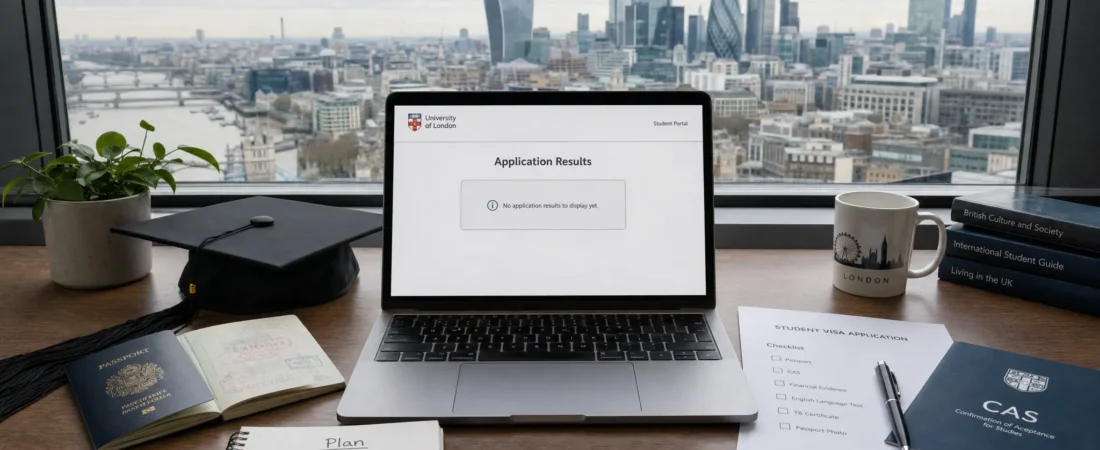
If you are planning to study in the UK, or you are already counting the months until graduation, the UK Graduate Route changes 2027 are probably on your mind. For many international students, the Graduate Route is one of the biggest reasons the UK feels like a realistic study destination. It gives you time after your course to work, build experience, and figure out whether you want to stay longer.
The Graduate Route is the UK post-study work visa. Under the current rules, eligible international students who complete a UK degree can usually stay for two years after a bachelor's or master's degree, or three years after a PhD or other doctoral qualification. The route does not require employer sponsorship, which makes it very different from the Skilled Worker visa.
The possible 2027 changes matter because they could reduce how much time students have after graduation to find work, gain UK experience, and move into a sponsored role. This is especially important for master's students, because many UK master's degrees are only one year long. If you are choosing a London university, comparing offers, or budgeting for life after graduation, you need to understand what is confirmed, what is still uncertain, and what you can do now.
This guide is written for international students, future applicants, graduates, and dependants who want a clear, practical explanation. It is not legal advice, but it should help you ask better questions when speaking to your university immigration team or checking official government guidance.
What Is the UK Graduate Route?
The Graduate Route, often called the Graduate visa, allows eligible international students to remain in the UK after successfully completing an eligible course. It was designed to give graduates time to work or look for work without needing an employer to sponsor them immediately.
The official starting point is the UK government's Graduate visa guidance. This is the page students should check before making any application decision, because immigration rules and fees can change.
Current eligibility requirements
Under the current Graduate Route rules, you generally need to meet these conditions:
- You must be in the UK when you apply.
- You must hold a valid Student visa or Tier 4 student visa.
- You must have successfully completed an eligible UK degree or qualification.
- Your university or education provider must have told the Home Office that you completed your course.
- You must apply before your Student visa expires.
- You must not have previously held permission under the Graduate Route or the old Doctorate Extension Scheme.
There are also rules about how much of your course you studied in the UK, and your university must be an eligible sponsor with the correct compliance status. Because these details can get technical, always check with your university's international student advice team before applying.
How long graduates can stay after completing studies
As of June 2026, the standard Graduate Route period is:
| Qualification completed | Current Graduate Route length |
|---|---|
| Bachelor's degree | 2 years |
| Master's degree | 2 years |
| PhD or other doctoral qualification | 3 years |
The visa cannot usually be extended. Once it ends, students who want to remain in the UK normally need to switch into another visa category, such as the Skilled Worker visa.
Benefits of the Graduate Route
The biggest benefit is flexibility. You do not need a job offer before applying, and you do not need an employer to sponsor you at the start. That breathing space can be extremely useful if you are applying for graduate schemes, building UK experience, or exploring your sector.
The route also allows most types of work, including full-time employment, part-time employment, and self-employment. However, there are restrictions, including no access to public funds and limits on working as a professional sportsperson. If you are balancing work, study, and money worries, you may also find this related London Diaries guide useful: part-time jobs in London for international students.
What Changes Are Expected in 2027?
The main expected change is a shorter post-study work period. In the UK government's 2025 immigration white paper, published as Restoring control over the immigration system, the government announced an intention to reduce the Graduate Route period.
The most widely discussed proposal is reducing the Graduate visa for most graduates from two years to 18 months. This would not remove the route completely, but it would reduce the time many students have to search for a job, gain work experience, and switch to a sponsored visa.
What is confirmed and what is still uncertain?
This distinction is important. A government announcement is not always the same as a live legal change. Immigration changes usually become enforceable when the government updates the Immigration Rules and publishes implementation details.
| Issue | Status as of June 2026 | What it means for students |
|---|---|---|
| Government intention to shorten the Graduate Route | Announced in the 2025 immigration white paper | Students should plan for less post-study time, especially if graduating in 2027 or later |
| Graduate Route ending completely | Not confirmed | There is no official confirmation that the Graduate Route will be abolished |
| Exact implementation date | Not fully clear for every student scenario | Your outcome may depend on the rules in force when you apply |
| Transitional arrangements | Not fully confirmed | Current students should avoid assumptions and seek university advice |
| PhD or doctoral route length | Current rule is 3 years | Students should watch for specific details on whether doctoral graduates are treated differently |
| Existing Graduate visa holders | No confirmed blanket cancellation | If you already hold the visa, check official guidance, but do not rely on rumours |
For 2027, the practical issue is timing. Students starting courses in 2026, or students already studying and graduating in 2027, may reach the point of applying for the Graduate Route after new rules have been introduced. That is why this topic matters even if you are not graduating tomorrow.
Who Will Be Affected?
The changes could affect different students in different ways. The key question is not only what you study, but also when you complete your course and when you apply for the Graduate Route.
Current students
If you are already studying in the UK, do not panic, but do not ignore the issue either. Current students may still be able to apply under the rules in place at the time of application. The problem is that students graduating after new rules begin may have to follow the updated rules, even if they started their course earlier.
This is why your university's immigration advice team matters. They can explain how the latest Home Office updates apply to your intake, course end date, and Student visa expiry date.
Future applicants
If you are applying to UK universities for 2026 or 2027 entry, the Graduate Route should still be part of your planning, but not your only plan. Many students choose the UK because of one-year master's programs, strong universities, and international career opportunities. That can still be true, but your career timeline may need to be tighter.
Before accepting an offer, compare course reputation, employability support, internship access, location, and total cost. If you are still deciding whether London is right for you, you may enjoy this personal post on why I chose London for higher studies as an international student.
Master's students
Master's students are likely to feel the biggest impact if the route is shortened. A one-year master's already moves quickly. You arrive, settle in, learn the academic system, look for part-time work, build a network, apply for graduate roles, and finish your dissertation, often within 12 intense months.
If the post-study period becomes 18 months, master's students will need to start career planning much earlier. Waiting until after graduation to think about jobs could become risky.
PhD students
PhD and doctoral graduates currently receive three years on the Graduate Route. The exact future treatment of doctoral graduates should be checked once the final rules are published. PhD students often have different career pathways, including academia, research, industry research roles, and specialist talent routes, so they should speak with both immigration advisers and supervisors before making long-term plans.
Dependants
Dependants are already affected by major UK student visa policy changes. Since 2024, most taught master's students have not been able to bring new dependants on a Student visa, with limited exceptions such as certain research degrees and government-sponsored students. For the Graduate Route, dependants can usually apply only if they are already in the UK as your dependant on your Student visa.
If you have a partner or children with you in the UK, future Graduate Route changes could affect your family budget, work plans, childcare decisions, and long-term visa strategy. Do not rely on social media posts for dependant rules, because the consequences of a mistake can be expensive and stressful.
Impact on International Students
The possible changes are not just technical visa updates. They could affect real decisions, including which university to choose, how much money to bring, which jobs to apply for, and whether the UK still fits your long-term plans.
Career opportunities
A shorter Graduate Route would mean less time to test the job market. For some sectors, 18 months may still be enough. For others, especially competitive graduate schemes with annual recruitment cycles, it may feel tight.
Many UK graduate schemes open applications months before the job starts. Some open in autumn for roles beginning the following summer or September. If you only begin applying after submitting your dissertation, you may miss important windows. International students should treat career planning as part of university life, not something that starts after graduation.
Job searching after graduation
The Graduate Route can make your first UK job search easier because employers do not need to sponsor you immediately. However, if your long-term aim is to stay in the UK, you eventually need to understand sponsorship.
Not every employer has a sponsor licence. Not every role is eligible. Some companies are happy to hire graduates on the Graduate Route but may not sponsor later. This does not mean you should avoid them, but it does mean you should ask careful questions before building your whole plan around one employer.
A practical approach is to research sponsorship early, speak with alumni, use your university careers service, and learn how your sector hires international graduates. I will also connect this guide with a dedicated How to Find Graduate Jobs in the UK article, because this topic deserves its own full breakdown.
Long-term settlement plans
The Graduate Route does not usually count toward settlement in the UK. In simple terms, time spent on the Graduate visa is useful for work experience, but it is not normally a direct route to indefinite leave to remain.
If your long-term goal is settlement, you will likely need to switch into a visa category that can lead to settlement, such as the Skilled Worker visa. That makes your post-study period a bridge, not the final destination. A shorter bridge means you need a clearer plan.
Financial implications
Visa planning is also money planning. Applying for visas usually involves application fees and the Immigration Health Surcharge, and these costs can change. If you are living in London, your budget also needs to cover rent, transport, groceries, winter clothing, deposits, job-search months, and emergency savings.
This is where the Graduate Route changes could feel very real. If students have less time after graduation, they may need stronger savings before finishing university. They may also need to be more strategic about part-time work during studies, as long as they stay within Student visa work conditions. For a broader lifestyle view, read what international student life in London really feels like, and keep an eye on this upcoming guide to the Cost of Living in London for International Students.
Alternative Visa Options After Graduation
The Graduate Route is useful, but it should not be your only plan. If you want to stay in the UK after studying, learn the main alternatives early.
Skilled Worker Visa
The Skilled Worker visa is one of the most common routes for graduates who want to remain in the UK long term. You usually need a job offer from a licensed sponsor, and the role must meet eligibility requirements, including salary and skill rules.
This is the route many students aim for after using the Graduate Route to gain work experience. If you are serious about staying, start checking sponsor-friendly employers before graduation. I will be linking this with a full Skilled Worker Visa Guide for international students.
High Potential Individual Visa
The High Potential Individual visa is for graduates of certain top global universities outside the UK. It is not based on graduating from a UK university, so it will not apply to everyone. Still, it can be relevant for students who studied at an eligible institution before coming to the UK or who are comparing international options.
Global Talent Visa
The Global Talent visa is for people who are leaders or potential leaders in areas such as academia, research, arts and culture, or digital technology. This route is more specialist than the Graduate Route and usually requires endorsement or a qualifying award.
For PhD students, researchers, founders, and highly specialised graduates, it may be worth exploring, but it is not a casual backup option. You need strong evidence and a clear professional profile.
Innovator Founder Visa
The Innovator Founder visa is designed for people who want to start an innovative business in the UK. It is not simply a freelance visa or a general self-employment route. Your business idea needs to meet specific requirements and receive endorsement from an approved body.
If you are interested in entrepreneurship, speak to your university enterprise team early. Many universities have incubators, startup competitions, and mentoring that can help you understand whether your idea is realistic.
What Students Should Do Now
This is the section I wish every international student would read before arriving in the UK. Visa changes are stressful, but early planning gives you more control.
Stay updated on official government announcements
Check the official Graduate visa page and Home Office updates, not only Instagram reels, WhatsApp groups, or second-hand screenshots. Social media can be useful for awareness, but it can also spread panic very quickly.
When you see a claim, ask: Is this already law, or only a proposal? Does it apply to new applicants only? Is there an implementation date? Has the Immigration Rules guidance changed?
Seek university immigration advice
Every international student should know where their university immigration advice team is. They can help you understand your visa expiry date, Graduate Route eligibility, dependant rules, and switching options.
Do not wait until the week before your Student visa expires. Immigration appointments can get busy near graduation season, and you may need documents or confirmation from your university.
Plan your career pathway early
Start career planning in your first term, even if that sounds too early. Attend careers events, build a UK-style CV, speak to alumni, and learn which employers sponsor international graduates in your field.
If you are studying in London, use the city properly. London has networking events, industry meetups, university careers fairs, volunteering opportunities, and part-time roles. But it is also expensive and competitive, so you need structure. A good next read is this guide to Best Part-Time Jobs for Students in the UK, especially if you want work experience while studying.
Explore sponsorship opportunities before graduation
If your goal is a Skilled Worker visa, start identifying potential sponsors early. Look at the official sponsor list, but also check whether the company actually sponsors graduate-level roles in your field. A company may have a sponsor licence and still decide not to sponsor every role.
When applying, read job descriptions carefully. Some employers clearly state whether they can consider visa sponsorship. Others may not mention it until later. If you are unsure, ask politely at the right stage of the process.
FAQs About UK Graduate Route Changes 2027
Will the Graduate Route end in 2027? There is no confirmed announcement that the Graduate Route will end completely in 2027. The main announced policy direction is to shorten the route for many graduates, not abolish it. Students should keep checking official Home Office guidance for final rules.
Can current students still apply for the Graduate Route? Current students can apply if they meet the eligibility rules in force when they apply. The important point is timing. If rules change before your application date, you may need to follow the updated rules, so speak with your university immigration adviser.
How long can international students stay in the UK after graduation? Under current rules, eligible bachelor's and master's graduates can usually stay for two years, while PhD or doctoral graduates can usually stay for three years. Proposed changes could reduce the period for many graduates, with 18 months being the key expected figure.
What visa can I switch to after the Graduate Route? Many graduates try to switch to the Skilled Worker visa if they find an eligible sponsored job. Depending on your background, you may also explore the Global Talent visa, Innovator Founder visa, or other categories. The right option depends on your job, qualifications, salary, and long-term plans.
Will the changes affect existing visa holders? As of June 2026, there is no confirmed blanket cancellation of existing Graduate visas. In general, students should distinguish between people who already hold a visa and people applying after new rules begin. Always check official guidance for your situation.
Will dependants be affected by Graduate Route changes? Dependants may be affected indirectly if the main applicant receives a shorter visa period or if family rules change. Current dependant eligibility is already more restricted than it used to be for many students, so families should get personalised advice before making plans.
Conclusion
The UK Graduate Route changes 2027 are important, but they should not push students into panic. The Graduate Route is still a major part of the UK student journey, and there is no confirmed end to the route at the time of writing. The key expected change is a shorter post-study period for many graduates, which means students need to plan earlier and more carefully.
If you are already in the UK, speak to your university immigration team and keep checking official updates. If you are still applying, include visa timelines, employability support, sponsorship chances, and living costs in your decision, not just university rankings.
London can still be an incredible place to study, work, and grow, but the most successful international students are usually the ones who plan before they are forced to. Follow London Diaries for practical updates, honest student-life posts, and future guides on costs, jobs, visas, and everyday life in the UK.